Search engines are evolving faster than ever, and artificial intelligence is at the heart of this transformation. What used to be Artificial intelligence is evolving at a pace that’s rewriting how brands interact with audiences. Not long ago, most marketers were exploring basic AI tools, chatbots, automated emails, predictive analytics. Then came advanced language models like ChatGPT, which changed how we create content, brainstorm ideas and communicate at scale.
But now, the next big shift is already here:
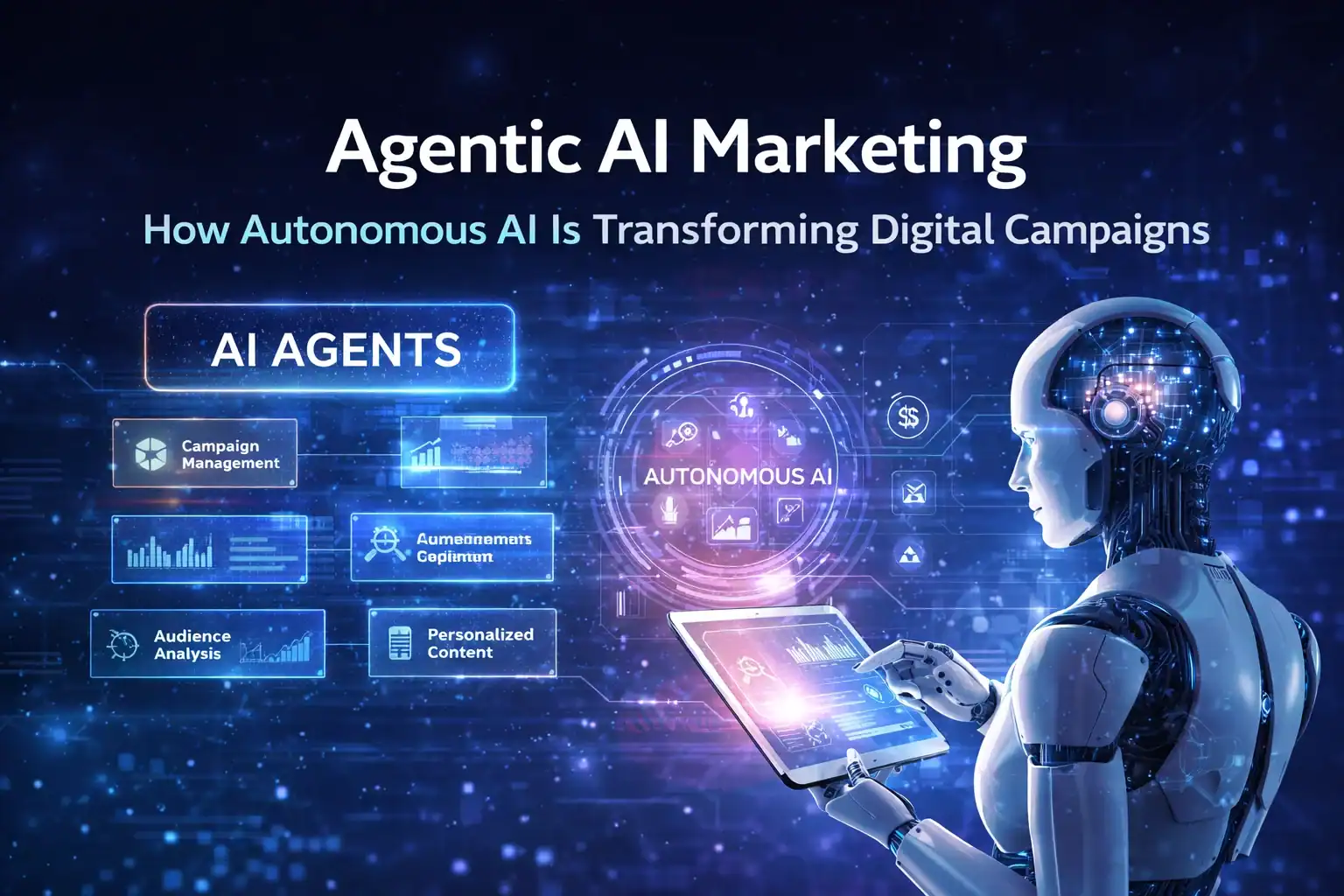
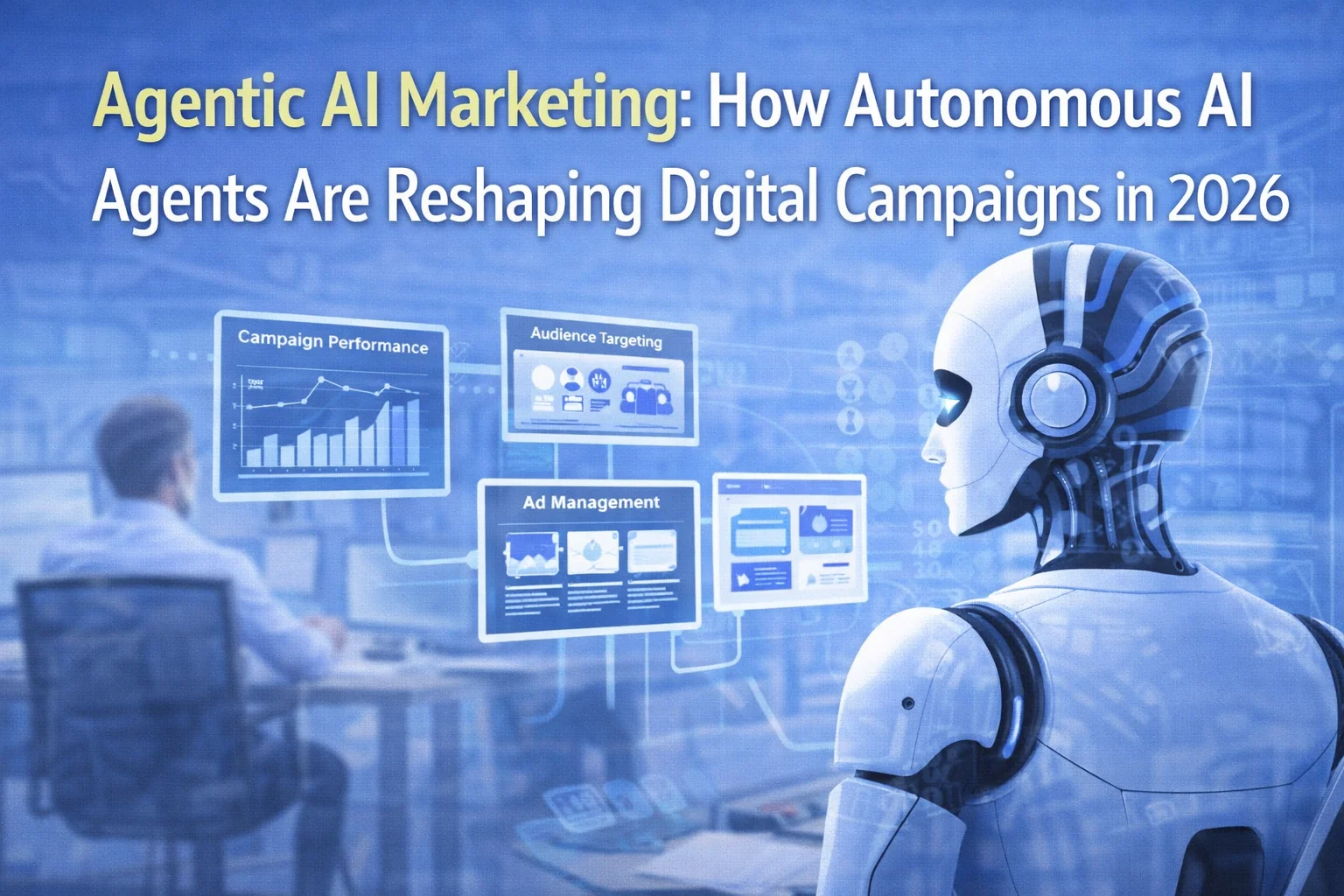
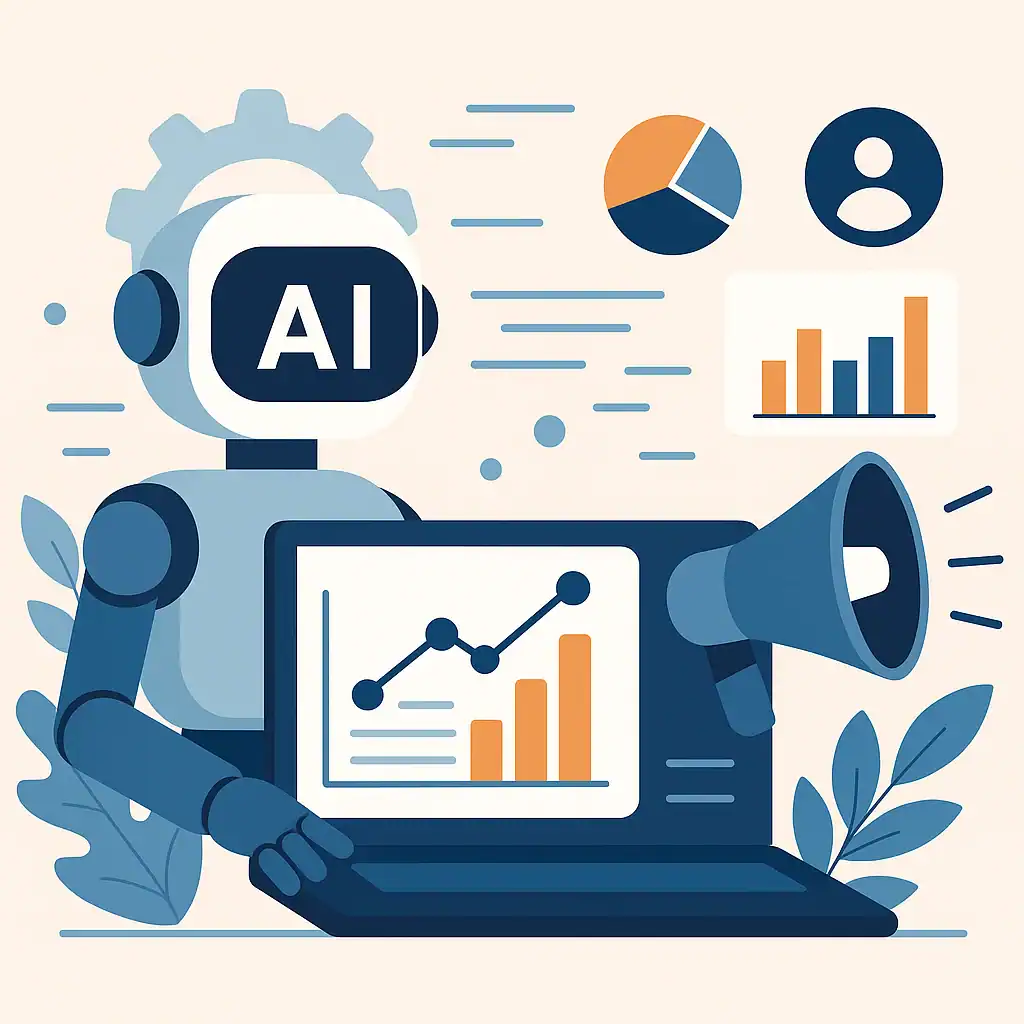
AI agents autonomous systems that can think, plan and execute marketing tasks without constant human supervision.
Instead of simply responding to prompts, these agents can understand goals, take action, and adapt based on results. And their impact on personalised marketing is huge.
In this blog, we’ll break down how AI agents work, why they represent a new frontier in digital marketing, and what this means for customer experience and brand growth.
1. What Are AI Agents?
AI agents are systems designed to perform tasks on behalf of a user. Unlike simple automation tools that follow a script, agents are able to:
- Interpret goals
- Analyse data in real time
- Make decisions
- Perform multi-step actions
- Adapt based on outcomes
Think of them as digital team members capable of research, writing, planning, testing and even managing parts of campaigns.
Where a chatbot answers questions, an AI agent can run an entire workflow from beginning to end.
2. Why AI Agents Are Changing Personalised Marketing
Personalisation is no longer just adding someone’s name to a message. Today, audiences expect experiences that adapt to their behaviour, preferences and context.
AI agents make this possible by:
- Tracking user behaviour across multiple touchpoints
- Identifying patterns humans may not see
- Delivering dynamic content based on real-time intent
- Adjusting messaging automatically
- Testing multiple variations and choosing the best performing one
This level of adaptability used to require huge teams and complex data stacks. AI agents bring it to everyday marketers.
3. Content Creation at Scale, Without Losing Quality
One of the biggest challenges in marketing is producing enough content without sacrificing tone, style or originality.
AI agents can assist by:
- Generating blog drafts
- Repurposing content for different formats
- Writing scripts for videos
- Creating social media calendars
- Summarising research
- Producing design briefs
The marketer’s job becomes editing, guiding the voice and handling the creative direction — while the agent manages the heavy lifting.
This balance increases productivity and opens the door to more ambitious content strategies.
4. Autonomous Testing and Campaign Optimisation
Traditionally, optimisation required constant manual oversight. But AI agents can monitor campaigns, detect performance shifts and make adjustments automatically.
Examples include:
- Rotating creatives when performance drops
- Adjusting budget allocations
- Updating audience targeting
- Identifying new content opportunities
- Suggesting strategy changes based on trends
Instead of reacting late, brands can respond instantly.
5. The Human–AI Collaboration Model
Some worry that AI agents might replace marketers. But in reality, the highest-performing teams are combining human creativity with machine intelligence.
Humans bring:
- Strategy
- Empathy
- Creativity
- Brand intuition
- Ethical judgement
AI agents bring:
- Speed
- Scale
- Consistency
- Precision
- Data processing
Together, they create marketing that is both deeply human and highly efficient.
AI agents aren’t just another tool, they represent a new way of working. They give marketers the freedom to focus on ideas, storytelling and innovation while allowing intelligent systems to handle repetitive tasks and real-time optimisation.
As AI continues evolving, the brands that thrive will be the ones that learn to collaborate with these systems rather than fear them.