Artificial intelligence has quickly shifted from a distant, futuristic idea to a practical engine driving modern marketing. Whether it’s small businesses or large global brands, everyone is feeling the impact of smarter tools, automated workflows, and predictive systems that turn complexity into clarity.
The transformation hasn’t been gradual it has been rapid, constant and quietly reshaping everything behind the scenes. Marketing teams that once relied purely on manual processes now have access to intelligent assistants capable of drafting content, segmenting audiences, analysing data, and personalising customer experiences at scale.
In this article, we’ll explore how AI is rewriting the foundations of digital marketing, why adoption is accelerating, and what this new era means for marketers, business owners and content creators.
1. The Shift From Manual Marketing to Augmented Marketing
For years, marketing required a huge amount of manual effort: writing copy from scratch, building spreadsheets, analysing reports, testing variations, creating content calendars, and trying to keep up with trends. Everything depended on time, people and repetition.
AI changed that dynamic completely.
Now, tasks that once took hours can be completed in minutes and often executed with higher accuracy. Predictive algorithms can identify patterns humans would struggle to see. Content production can be automated, expanded or enhanced without sacrificing quality. Audience insights are deeper and more actionable than ever.
This doesn’t replace marketers; it upgrades them.
AI handles the repetitive and mechanical work, freeing professionals to focus on strategy, creativity, storytelling and experimentation.
The combination of human perspective + AI capability is what defines modern marketing.
2. How AI Is Transforming Content Creation
Content creation has been one of the biggest beneficiaries of artificial intelligence. What used to be a time-consuming, high-effort task is now more accessible and scalable.
AI tools today can:
- Write long-form articles aligned with search intent
- Create multiple content variations for testing
- Assist with tone, structure and clarity
- Generate visual assets, animations or layouts
- Suggest improvements for readability and SEO
- Repurpose existing content into new formats
Instead of staring at a blank page, marketers can jump straight into editing, refining and adding human insight.
The real advantage comes from scale. AI allows teams to produce more content without burning out, while maintaining a consistent voice and level of quality.
But what truly elevates AI-generated content is the collaboration between human judgement and machine efficiency. The best outcomes happen when humans guide the strategy, positioning, storytelling and nuance and the AI supports the heavy lifting.
3. Smarter Personalisation Through Predictive Intelligence
One of the most powerful shifts AI brings to marketing is personalisation.
Consumers today expect tailored experiences messages that speak directly to their needs, interests and stage in the buying journey. Traditionally, personalisation required constant manual effort, data segmentation and complex automation rules.
AI eliminates that burden.
Predictive models can analyse behaviour patterns, purchase history, browsing activity, content engagement and dozens of micro-signals to deliver:
- The right message
- To the right person
- At the right moment
And all of this happens automatically.
For example, AI can determine which products someone is likely to buy next, which content topics they prefer, or when they are most likely to engage with an email. It can also adjust website experiences in real time to match a user’s intent.
This kind of dynamic personalisation used to be reserved for massive enterprise brands with big data teams. Now, it’s available to virtually anyone.
4. AI-Enhanced SEO and Organic Growth
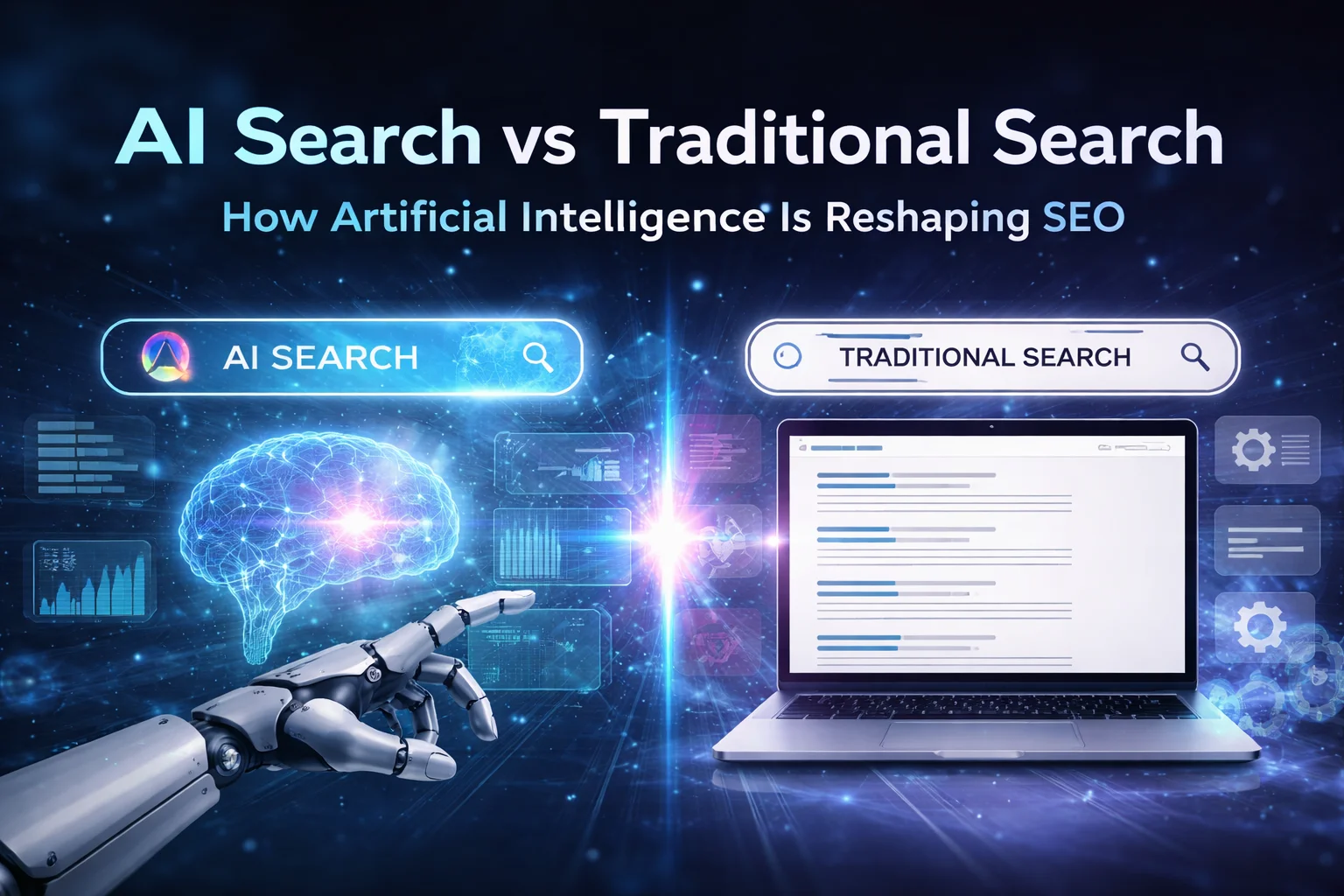
Search behaviour is changing fast, and AI sits at the centre of that change.
Search engines increasingly rely on machine-learning systems to understand context, intent and the relationships between concepts. That means SEO is no longer about stuffing keywords — it’s about depth, relevance and semantic richness.
AI helps marketers:
- Identify keyword opportunities with higher precision
- Create topic clusters with stronger search intent alignment
- Optimise internal linking structures
- Improve metadata and on-page readability
- Predict content performance
- Analyse competitor gaps
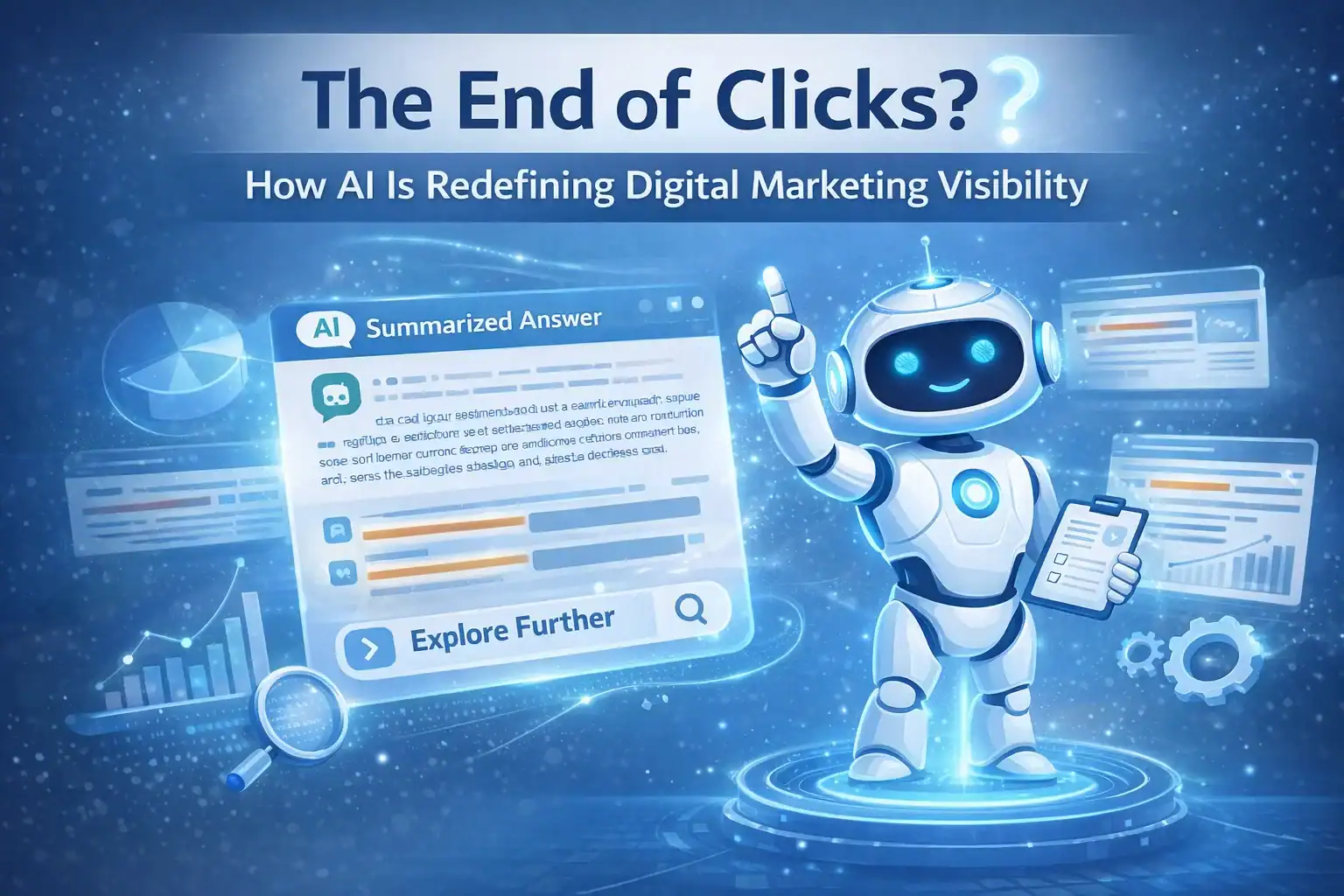
One of the most impactful trends is the rise of AI-assisted search results, where answers are summarised automatically. This means content that is clear, authoritative and context-rich performs better than content that simply aims to match keywords.
AI allows marketers to build that level of depth more consistently.
5. Smarter Advertising and Budget Efficiency
Paid advertising used to be a slow cycle of trial and error. Marketers would test creatives, bids and audiences manually often wasting budget while searching for the right formula.
AI flipped the process.
Today, intelligent systems can:
- Test hundreds of ad variations instantly
- Find hidden audience segments
- Optimise bidding strategies in real time
- Predict which creatives will perform best
- Allocate budget based on expected outcomes
- Identify early signs of ad fatigue
Instead of reacting to performance after the fact, marketers can anticipate it before it happens.
This leads to campaigns that are more efficient, with better ROI and less waste. Even small teams can run sophisticated advertising strategies that once required entire departments.
6. Improved Customer Experience Through Automation
Customer experience is the heart of every brand. And AI enhances it in ways that feel almost invisible to users but deeply impactful.
From chatbots capable of human-like responses to automated email journeys that adapt based on behaviour, AI ensures customers feel seen, supported and understood.
Examples include:
- Real-time chat assistance
- Automated product recommendations
- Personalised follow-up messages
- Predictive support (identifying problems before they escalate)
- Dynamic website experiences
- AI-driven loyalty programs
The result is a smoother, faster, more intuitive customer journey.
7. Data-Driven Decision Making
Data analysis has always been essential in marketing, but the human brain can only process so much. Reports are complex, patterns can be subtle, and decisions often rely on incomplete information.
AI solves this by processing massive volumes of data instantly and presenting insights in clear, actionable ways.
Marketers can now understand:
- Which channels drive the highest lifetime value
- Why customers churn
- What behaviours predict a future purchase
- Which content themes consistently perform best
- How to prioritise marketing efforts based on real impact
Instead of guessing, teams operate with clarity and confidence.
8. Ethical and Responsible Use of AI
As AI becomes central to marketing, ethical use becomes increasingly important. Transparency, accuracy, consent and human oversight must guide every implementation.
Responsible marketers are focusing on:
- Avoiding manipulative personalisation
- Ensuring data privacy and user trust
- Maintaining authenticity in content
- Keeping humans involved in key decisions
- Being transparent about AI-generated material
- Avoiding over-automation that removes the human touch
AI is a tool a powerful one but how we use it defines the future of marketing.
9. The Future of AI-Driven Marketing
The evolution of AI is moving fast. What feels advanced today will soon become standard. The next wave includes:
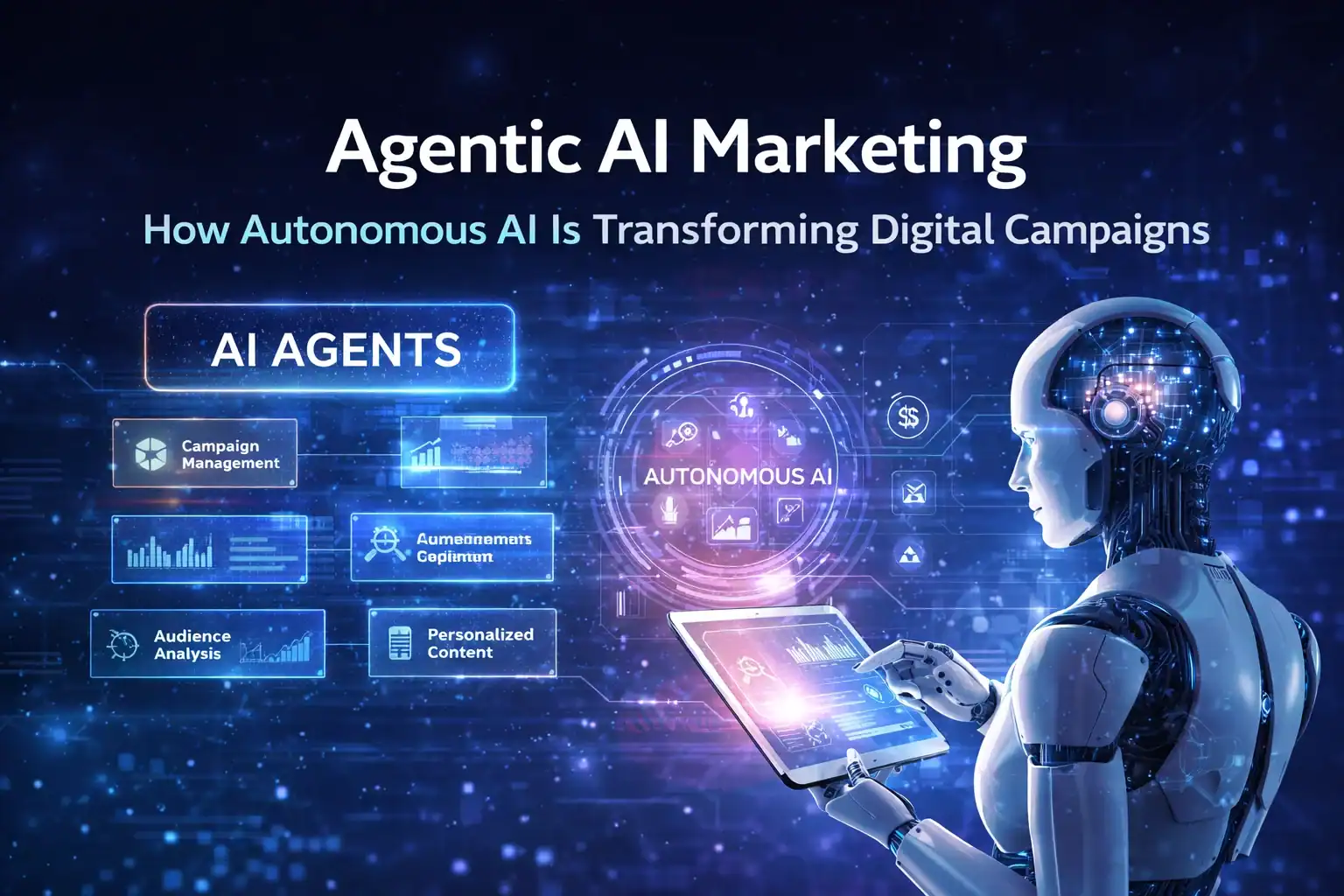
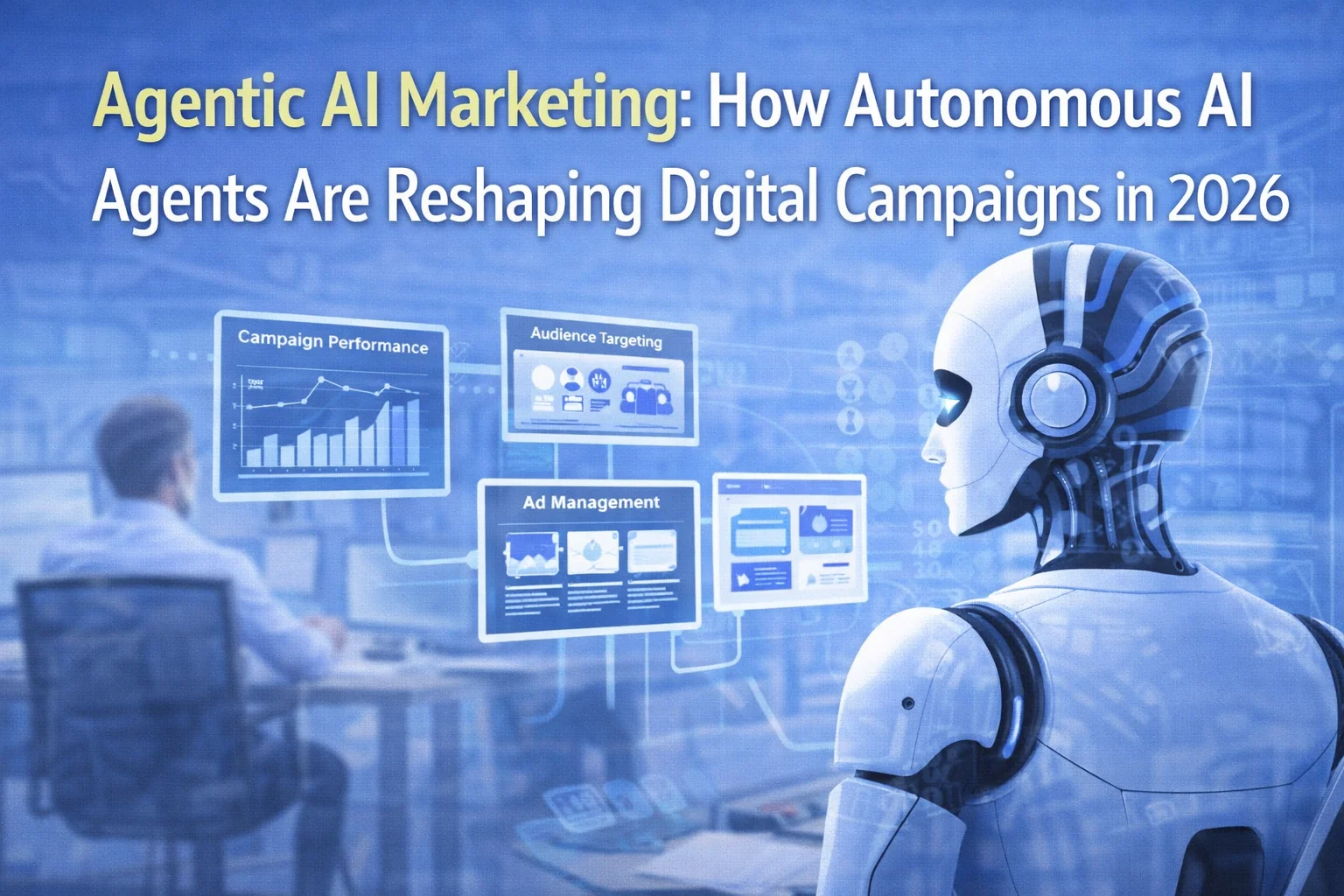
- AI agents capable of completing multi-step workflows
- Hyper-personalised content created instantly
- Real-time creative generation for ads and campaigns
- Fully automated data analysis with strategic recommendations
- Voice-driven content creation
- Predictive customer behaviour mapping
Marketing will continue to blend creativity, data and intelligent automation. But one truth remains constant: human creativity is still irreplaceable. AI enhances the work but direction, strategy and storytelling still rely on human insight.
AI-driven marketing isn’t just a trend; it’s a long-term shift in how brands grow, communicate and build trust. It empowers teams to work smarter, move faster and deliver more meaningful experiences. And as tools continue evolving, marketers who blend human perspective with intelligent systems will lead the next era of digital transformation.